There’s something unmistakably captivating about Christmas in Spain. Across the country, historic plazas glow with warm lights, aromatic sweets drift through cobblestone streets, and families gather around tables rich with centuries of tradition. For international travelers dreaming of an elegant European holiday season, Spain offers a festive calendar filled with culture, gastronomy, and charm—whether you’re strolling through a Christmas market in Barcelona or savoring traditional holiday dishes beside the Mediterranean.
In this guide, inspired by Spain’s most cherished customs, we explore the essence of the season and illuminate what makes Christmas in Spain such a magical time of year for visitors seeking authentic, elevated experiences.
How is Christmas celebrated in Spain: A Journey Through Tradition
Spanish Christmas celebrations unfold over several memorable weeks, each day marked by cultural rituals deeply woven into the country’s identity. While December 24 and 25 are central dates, the holiday season here extends far beyond the typical Western calendar.
Families begin gathering on Nochebuena, Christmas Eve, an evening of warmth, elegant dinners, and often the beloved Misa del Gallo, or Midnight Mass. Christmas Day itself is more relaxed—a continuation of good food, conversation, and cherished moments, often without the frenzy of gift-opening found in other cultures.
For travelers, this creates a beautifully paced experience: one where festive streets, joyful gatherings, and culinary traditions blend into a slow, luxurious rhythm perfect for savoring.
What is Christmas like in Spain: A Festive Atmosphere Across Cities & Seaside Towns
Imagine wandering through a historic city as glowing garlands illuminate narrow streets, musicians play carols in public squares, and artisan stalls display handcrafted ornaments, leather goods, and seasonal delicacies. That’s the scene in Spain’s most charming destinations throughout December.
Major cities—Madrid, Barcelona, Valencia, Málaga—are transformed by spectacular light displays. Meanwhile, coastal regions like Mallorca embrace a more Mediterranean flair, offering mild temperatures, waterfront markets, and gourmet celebrations influenced by the island’s rich cultural heritage.
For luxury travelers, this blend of old-world tradition and modern elegance creates an extraordinary backdrop for winter escapes.
When do the Christmas markets open in Spain
Across the country, Christmas markets typically open between late November and early December, lasting until January 5 or 6. Cities like Madrid, Barcelona, Valencia, Bilbao, Granada, and Zaragoza each host markets infused with regional style:
- Madrid’s Plaza Mayor: A classic market filled with nativity figures, decorations, and holiday treats.
- Barcelona’s Santa Llúcia Market: Dating back over 200 years, it’s a cultural icon beside the Gothic Cathedral.
- Valencia & Málaga: Known for artisan crafts, fashion, gourmet sweets, and magical nighttime light displays.
- Mallorca (Puerto Portals): A sophisticated seaside market where ice skating, boutique stalls, and festive gastronomy meet Mediterranean elegance.
Whether you’re exploring these markets for gifts, ambiance, or gourmet specialties, each captures the festive soul of Spain through regional flavors and craftsmanship.
What are some Christmas traditions in Spain
Beyond its markets and lights, Spain treasures rituals that set its holiday season apart.
El Gordo – December 22
The festive spirit officially begins with the world-famous Christmas lottery. Entire cities pause as children sing the winning numbers in a beloved broadcast tradition.
Nochebuena – December 24
The most family-centered night of the year, where expansive tables feature seafood, roasted meats, and a medley of regional specialties.
Navidad – December 25
A peaceful continuation of the celebration, often including long lunches and beloved sweets like turrón and mazapán.
Día de los Santos Inocentes – December 28
Spain’s version of April Fools’ Day—playful pranks, jokes, and festive mischief across the country.
Nochevieja – December 31
Locals welcome the new year by eating twelve grapes at the stroke of midnight—one per chime—for good luck, a tradition shared with friends, fireworks, and celebrations that last into the early morning.
Día de Reyes – January 6
Perhaps the most magical day of all. The Three Kings bring gifts to children, and dazzling parades fill the streets on the evening of January 5.
These customs create a holiday experience that feels both heartfelt and enchanting, offering travelers an opportunity to immerse themselves in a centuries-old cultural celebration.
In Spain what day is the Christmas lottery
The celebrated Christmas lottery, El Gordo, takes place on December 22. Broadcast live nationwide, it’s more than a lottery—it’s a cultural event that officially signals the beginning of the holiday festivities.
When does Christmas start in Spain
While Christmas Eve marks the official religious celebration, the season truly begins around December 6–8, when homes and cities start decorating, markets open, and holiday preparations take shape. The energy intensifies with El Gordo on December 22.
What do people in Spain eat on Christmas
Spanish Christmas cuisine is a vibrant reflection of its regions. Holiday meals often begin with starters like jamón ibérico, artisanal cheeses, and seafood, followed by:
- Roast lamb or suckling pig
- Baked sea bass or sea bream
- Traditional soups
- Fresh seafood platters
The finale is always sweet, featuring iconic desserts:
- Turrón, almond nougat
- Polvorones, crumbly almond cookies
- Mazapán, marzipan treats
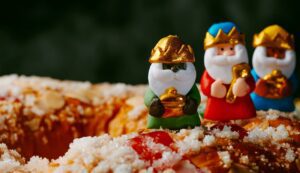
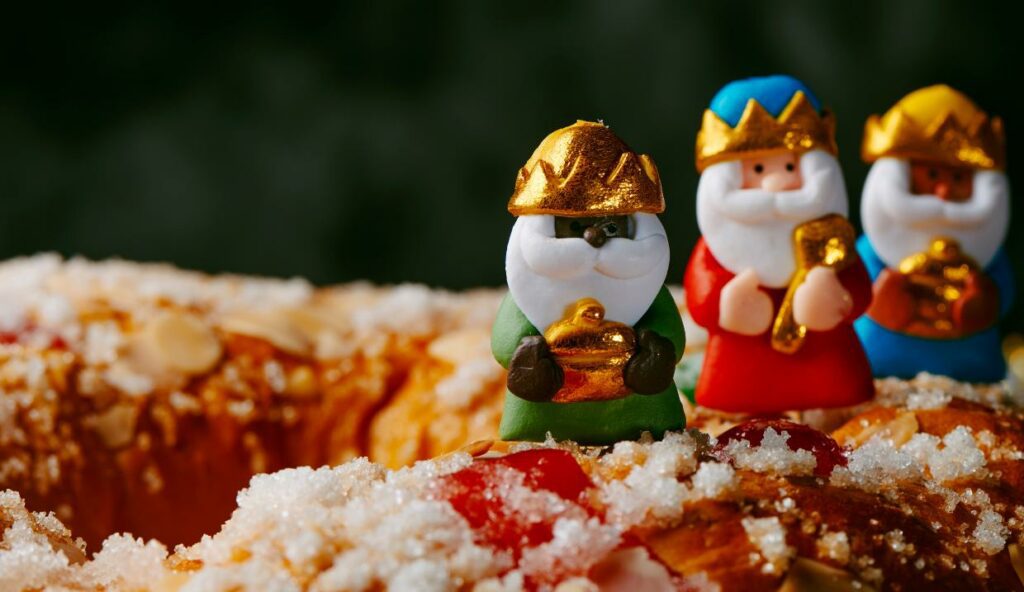
- Roscón de Reyes, served on January 6
For culinary travelers, Christmas in Spain offers a gourmet journey filled with rich flavors and unforgettable festivities.
A Mediterranean Christmas: Why Spain Captivates Luxury Travelers
Beyond tradition and gastronomy, what truly elevates Christmas in Spain is its atmosphere—romantic, welcoming, and effortlessly elegant. From the glowing markets of Barcelona to the refined celebrations of Mallorca, each destination offers a unique blend of culture and Mediterranean beauty.
Whether you’re exploring markets, savoring seasonal delicacies, or witnessing Three Kings’ Day, Spain invites you to slow down and experience the season through its most authentic customs.
If you’re dreaming of creating your own unforgettable European celebration, Majorca·In can help you craft an elevated, culturally rich experience.
Contact us to begin planning your Mediterranean Christmas journey.