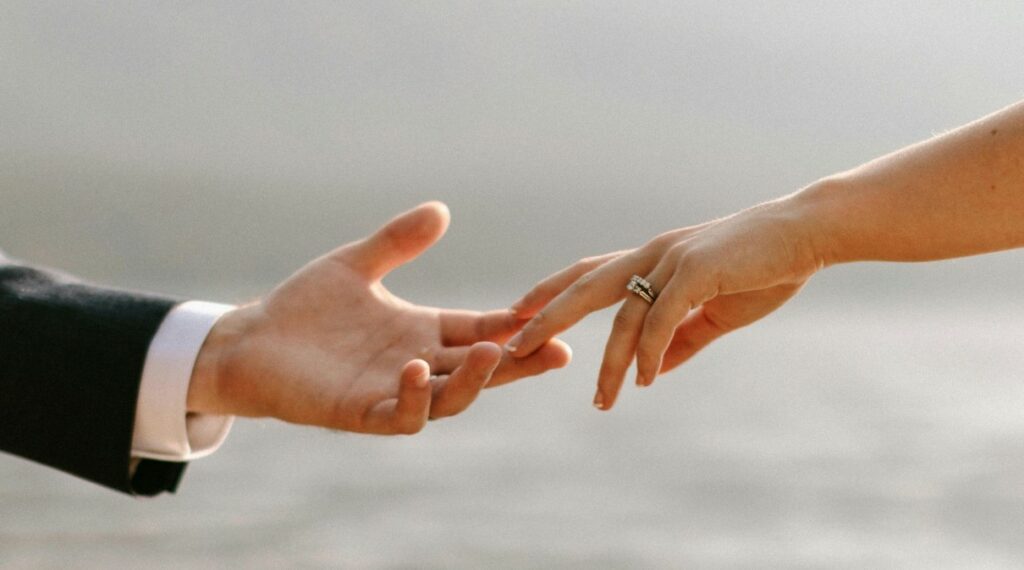
For many couples, slipping on the wedding band is one of the most intimate, emotional moments of the entire celebration. Whether your ceremony unfolds on a serene Mallorcan cliffside or inside a historic European chapel glowing by candlelight, the symbolism of the ring exchange is universal. Still, one question consistently appears among international couples: what hand does a wedding ring go on?
While the tradition can vary from culture to culture, the meaning behind it remains beautifully constant—commitment, unity, and the promise of a life shared.
In this guide, we explore the significance of the wedding ring finger, global customs, cultural variations, and practical tips for couples preparing for their luxury destination wedding.
The Romance Behind the Wedding Ring Finger
Across much of the world, the wedding band is traditionally worn on the fourth finger of the left hand. This custom dates back to ancient Rome, where people believed a delicate vein—vena amoris—ran directly from that finger to the heart. Although modern anatomy proved otherwise, the symbolism endures, especially in North America and most Western countries.
For couples marrying in Europe, particularly in Mediterranean destinations like Mallorca, the tradition remains the same: the left hand symbolizes the heart, intimacy, and personal connection. As many brides search for guidance—often using phrases like which hand wedding ring female—the answer is usually the left, but the story becomes even more fascinating when we explore global and cultural variations.
Engagement Ring Finger vs Wedding Ring Finger: What’s the Difference?
Although timeless and elegant, the engagement ring and wedding band each carry their own symbolism. Many brides wear their engagement ring on the left ring finger before the ceremony, then move it temporarily to the right hand as they walk down the aisle. After exchanging vows, the engagement ring is placed back on the left hand, sliding gently above the wedding band—closest to the heart.
Some cultures, however, follow the opposite order or switch hands entirely depending on tradition and personal significance. That is why many couples wonder about engagement ring finger vs wedding ring finger, seeking a clear yet refined explanation that honors both aesthetic and tradition.
Ultimately, the choice is yours. Luxury weddings today embrace personalization, and many couples choose what feels meaningful rather than strictly traditional.
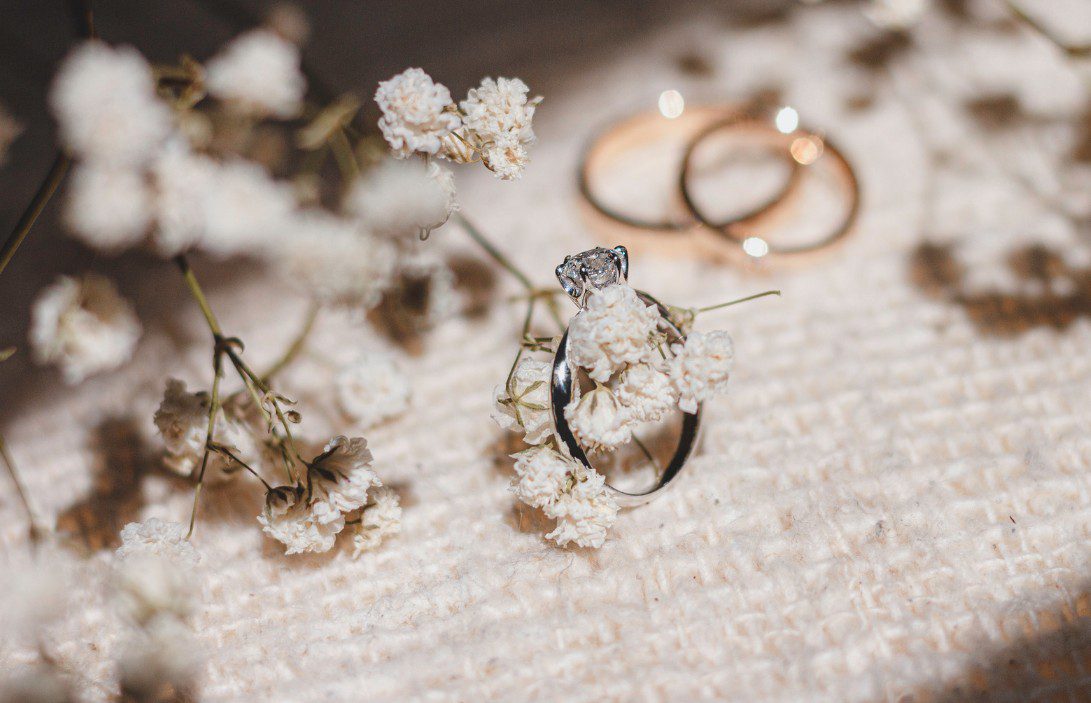
What Finger Is the Married Finger?
Symbolically, the married finger refers to the ring finger, most commonly on the left hand. Its placement signifies unity, longevity, and the shared journey that follows the ceremony.
However, in countries such as Germany, Austria, Norway, Russia, and parts of Eastern Europe, the married finger is found on the right hand, continuing a cultural tradition cherished for generations. Couples planning destination weddings in Europe often enjoy honoring local customs—especially in venues filled with history.
Global Traditions for the Marriage Ring Finger
Many couples planning international weddings want to understand worldwide traditions. Here is an elegant overview of how different cultures wear their wedding rings:
Western Europe & North America
Left hand, fourth finger. Romantic symbolism and universal recognition.
Southern Europe (Spain, Greece, Portugal)
Depends on region or family tradition, though the right hand is common in some areas.
Scandinavia
Right hand is often preferred for both engagement and wedding bands.
Eastern Europe & Russia
Right hand, reflecting a long-standing Orthodox tradition.
Jewish Weddings
Traditionally placed on the bride’s right index finger during the ceremony, later moved to the left ring finger for daily wear.
LGBTQ+ Weddings
Highly personalized—rings may be worn on either hand, matching or intentionally different, depending on symbolism and aesthetic.
This cultural tapestry allows couples to make choices rooted in meaning, heritage, or personal style—something that blends beautifully with destination weddings in Mallorca and the Balearic Islands.
Which Hand Should You Choose for Your Ceremony?
If you are planning an international wedding, the choice of ring hand becomes part of the storytelling of your celebration. Here are graceful guidelines to help you decide:
Consider Your Cultural Heritage
Many couples enjoy incorporating traditions from both families, blending symbolism in a way that feels authentic.
Think About Your Destination
Couples marrying in Mallorca often love aligning with Mediterranean touches—subtle, meaningful gestures that enrich the ceremony.
Follow Your Personal Style
Some brides prefer the symmetry of wearing rings on the left; others love the distinctiveness of the right hand.
Honor Your Love Story
Rings are a physical reminder of emotional truth. Choose what represents your journey as a couple.
Practical Considerations for the Wedding Day
Beyond symbolism, your ceremony logistics may influence how you wear your rings:
During the Ceremony
Many brides temporarily move their engagement ring to the right hand so the wedding band can be placed smoothly on the left ring finger.
After the Ceremony
The engagement ring often returns to its original place, gently resting above the band.
For Active Brides
If you travel, swim, or work with your hands regularly, consider comfort, lifestyle, and ring design when choosing your daily wearing style.
A Quick Guide for the Curious Bride
For brides who love clarity and elegance, here is a refined summary inspired by the most common searches, including marriage ring finger and other frequently asked questions:
- Most common tradition: Left hand, fourth finger
- European variations: Some cultures use the right hand
- Engagement vs wedding ring: Engagement ring often moves during the ceremony
- Symbolism: Love, unity, shared journey
- Your choice: The most meaningful option is the right one
Should my partner and I wear our rings on the same hand?
Not necessarily. Many international couples honor their individual traditions while still sharing a cohesive aesthetic.
Can I switch hands after the wedding?
Absolutely. Modern couples often adjust their ring placement depending on lifestyle, comfort, or personal preference.
Does hand choice affect the ceremony structure?
Only slightly. If wearing an engagement ring, plan where it will be placed during the exchange to ensure everything flows gracefully.
Choosing where to wear your wedding ring is a beautiful opportunity to blend heritage, symbolism, and personal meaning. Whether you embrace the classic left hand, honor cultural traditions with the right, or create your own ritual, the most important element is the love story behind the moment.
If you’re dreaming of a luxury destination wedding in Mallorca or the Balearic Islands, and want a celebration that blends elegance with meaningful tradition, I’d be delighted to guide you.
Contact me through the form on the website to begin planning your unforgettable event.